

WHAT IS
MEZCAL?
Mezcal is trending. Many people are drinking it, and many are talking about this iconic Mexican spirit…
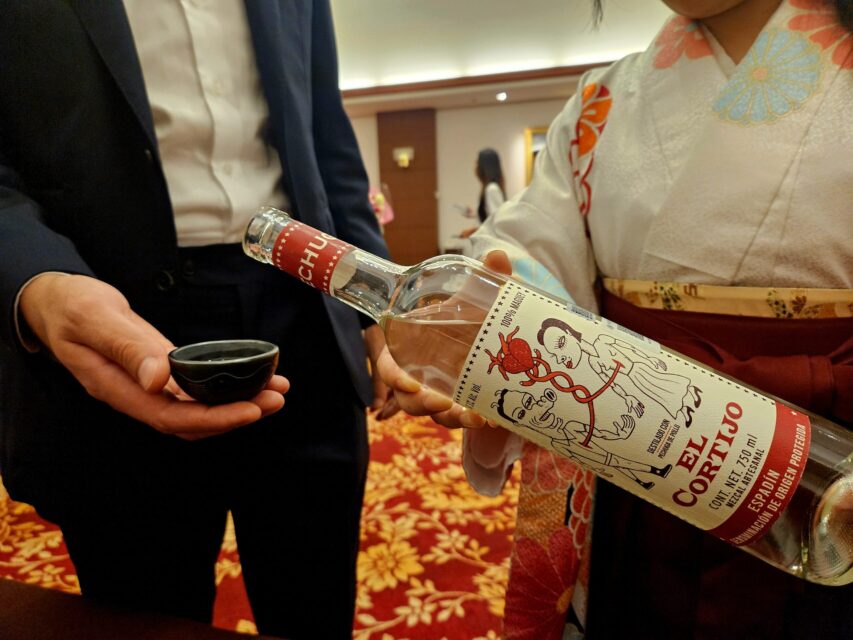
Mezcal Today
These days, mezcal seems to be increasingly popular. Many people drink it and, consequently, talk about this iconic Mexican spirit. Some have discovered it through cocktails, while others, the more experienced drinkers, enjoy it neat, just as it is. However, not everyone really knows what mezcal is, what its main ingredient is, which Mexican states produce it, or simply how to drink it. And that is exactly what we will talk about today.
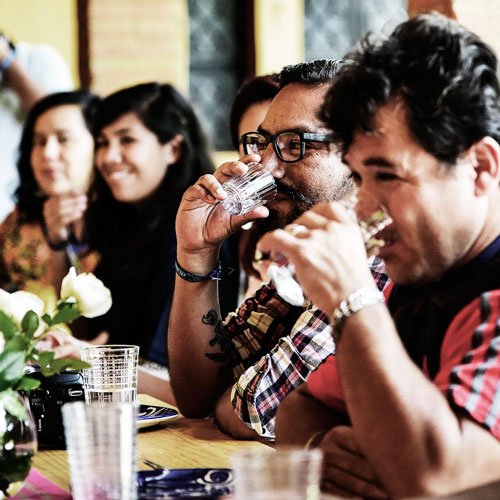
Understanding Mezcal
Let’s start by answering the question: What is Mezcal?
Mezcal is an alcoholic beverage made from one or more varieties of agave. Its production involves the following steps: harvesting the agave, cooking the piñas or hearts, crushing, fermentation, and double distillation. Most importantly, it is produced exclusively in Mexico. That, in essence, is mezcal.
In Mexico, we have several types of mezcal. The most famous is Tequila, but there are also Bacanora and Raicilla, to name a few. These spirits have their own Designations of Origin, which distinguish them from other mezcals produced in our country.
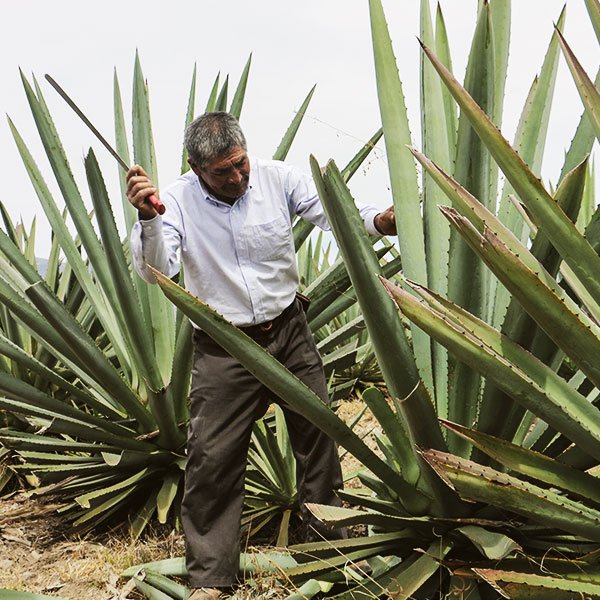
Maguey vs Agave
Now it’s time to explain where mezcal comes from, or rather, what raw material is used to make it. To do so, we need to briefly talk about maguey or agave. Before we begin, I would like to clarify the difference between the two, as many people have different perceptions. Maguey is the common name given to the plant used to produce mezcal, while agave is its botanical name. In other words, there is no difference between them; it is simply a matter of terminology. One is the common name, and the other is the botanical name.
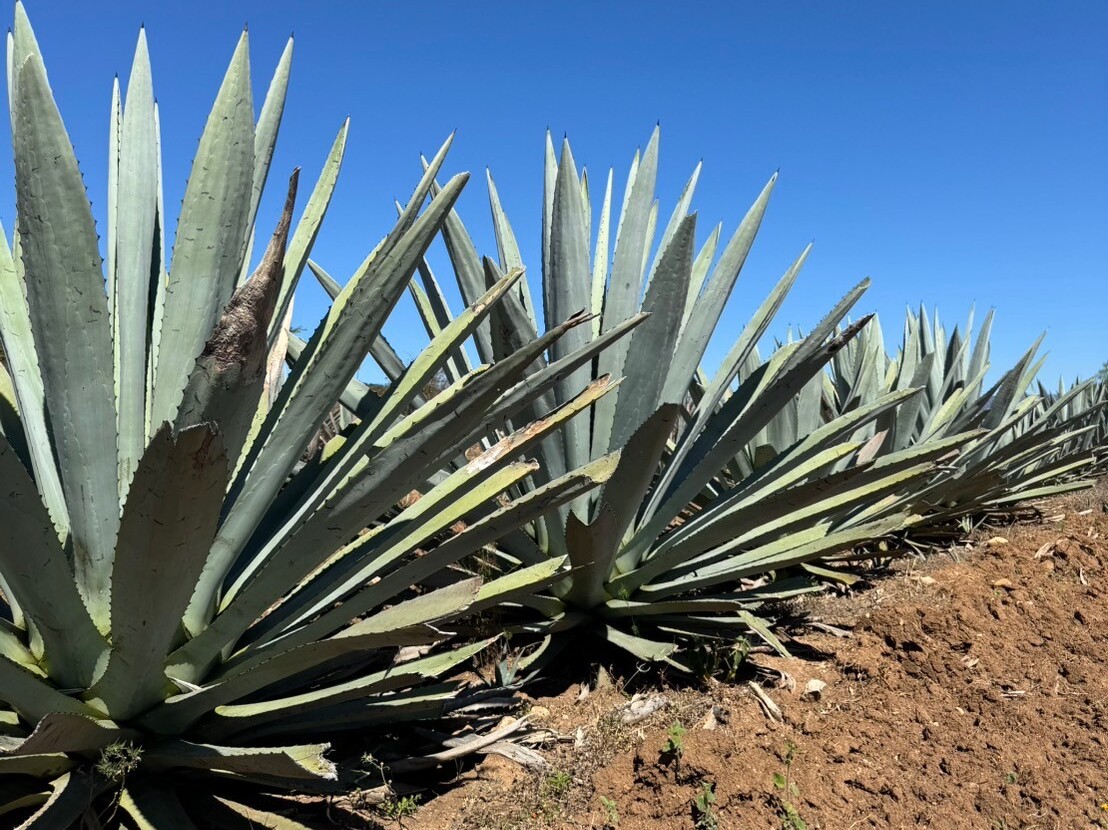
Agave Diversity
With that understood, let’s talk about maguey. Maguey, or agave, is native to the Americas, with its natural distribution extending from northern Arizona in the United States to northern Venezuela. Within this region, there are just over 210 types of agave. Mexico is home to approximately 150 types, and the state of Oaxaca alone has nearly 120 species of maguey. This means that Oaxaca has the greatest diversity of agaves, of which more than 40 species have been used to produce mezcal. As a result, we also have the greatest variety of mezcals, even without considering terroir, climate, production methods, and other factors that also influence the flavor of mezcal.
The word “Agave” comes from Latin and means “Admirable.” This name was given to the plant by Carl Linnaeus (Carl von Linné, 1707–1778), who, upon classifying it, recognized its many benefits and the numerous ways it was used both at that time and in earlier periods.
Depending on the species, agave takes between 5 and 30 years to mature when used for mezcal production, and up to 70 years for other species. Just imagine: all those years of growth translate into the complexity of flavors that develop when mezcal is produced.
Some of the agave species used to make mezcal in Oaxaca include Espadín, Tobalá, Arroqueño, and Madrecuixe. In Guerrero, there are Chino and Manzo; in Puebla, Papalometl and Espadilla; and in Durango, Cenizo, to name just a few.

Designation of Origin
We could spend hours talking about agave, but there is another important topic we need to discuss: Which Mexican states produce mezcal?
Mezcal has a Designation of Origin and can be produced in nine Mexican states: Oaxaca, Guerrero, Michoacán, Puebla, Guanajuato, San Luis Potosí, Zacatecas, Durango, and Tamaulipas. Of these nine states, Oaxaca accounts for 93% of national production, making it the country’s leading producer. Remember that Oaxaca also has the greatest diversity of agaves.
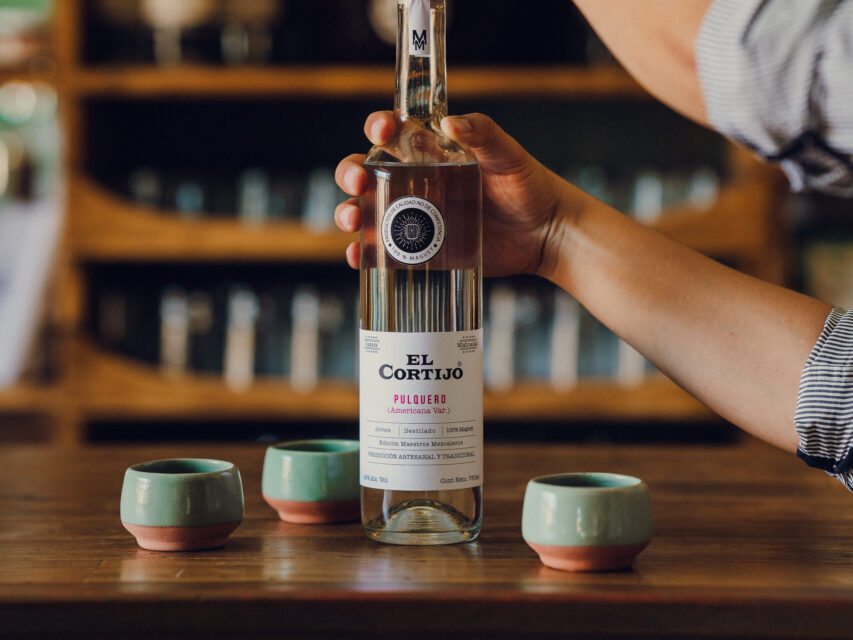
How to taste Mezcal
Now that we’ve talked so much about mezcal, do you know how to drink it?
Many people say that mezcal is a very strong spirit that produces a burning sensation, almost as if it were setting their mouths on fire. For this reason alone, they choose not to drink it. But what really happens is that they don’t know how to taste it properly.
When you are served mezcal, the first thing you should do is smell it. Slowly bring the glass toward your nose and gently inhale its aromas, little by little. This stimulates saliva production and allows your brain to begin identifying the different aromas present in mezcal, which, by the way, are numerous. Among these aromas, try to identify the scent of cooked agave.
Once you have smelled the mezcal and identified several of its aromas, the next step is to taste it. But don’t drink it as a shot! Take a very, very small sip, almost like a shy, romantic kiss…
That first sip may feel slightly strong, and that’s normal because your palate is not yet accustomed to it and your taste buds become more receptive. However, by the second or third sip, your palate will begin to adjust to the sensation of alcohol, and you will start to perceive some of mezcal’s flavor notes and complexity.
Remember to enjoy all the flavors that the agave spent so many years developing, so that today you can experience them in a glass of mezcal.
Our Legacy
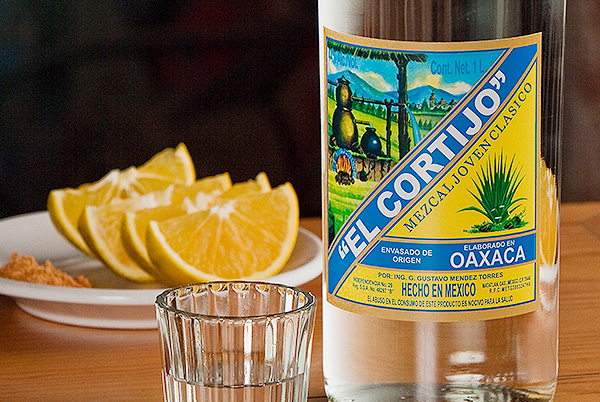
EL CORTIJO is the first mezcal brand created by Oaxacans, established in 1951 in Santiago Matatlán. We are involved in every stage of production, from cultivation to commercialization, and produce exclusively 100% agave artisanal mezcals, using both cultivated agaves, such as Espadín, and wild agaves, including Madrecuixe, Bicuixe, Pichumetl, Tepextate, and more than 15 other varieties.
Our mezcals can be found in some of Mexico’s finest restaurants, including Pujol, El Chapulín, Nicos, and Azul, to name a few.
My name is Juan Carlos Méndez Zamora, and I am a sixth-generation agave grower and mezcal producer. My family’s roots in the world of mezcal date back to 1795. Throughout our history, we have remained committed to producing only QUALITY PRODUCTS, NOT FOR COMPETITION.